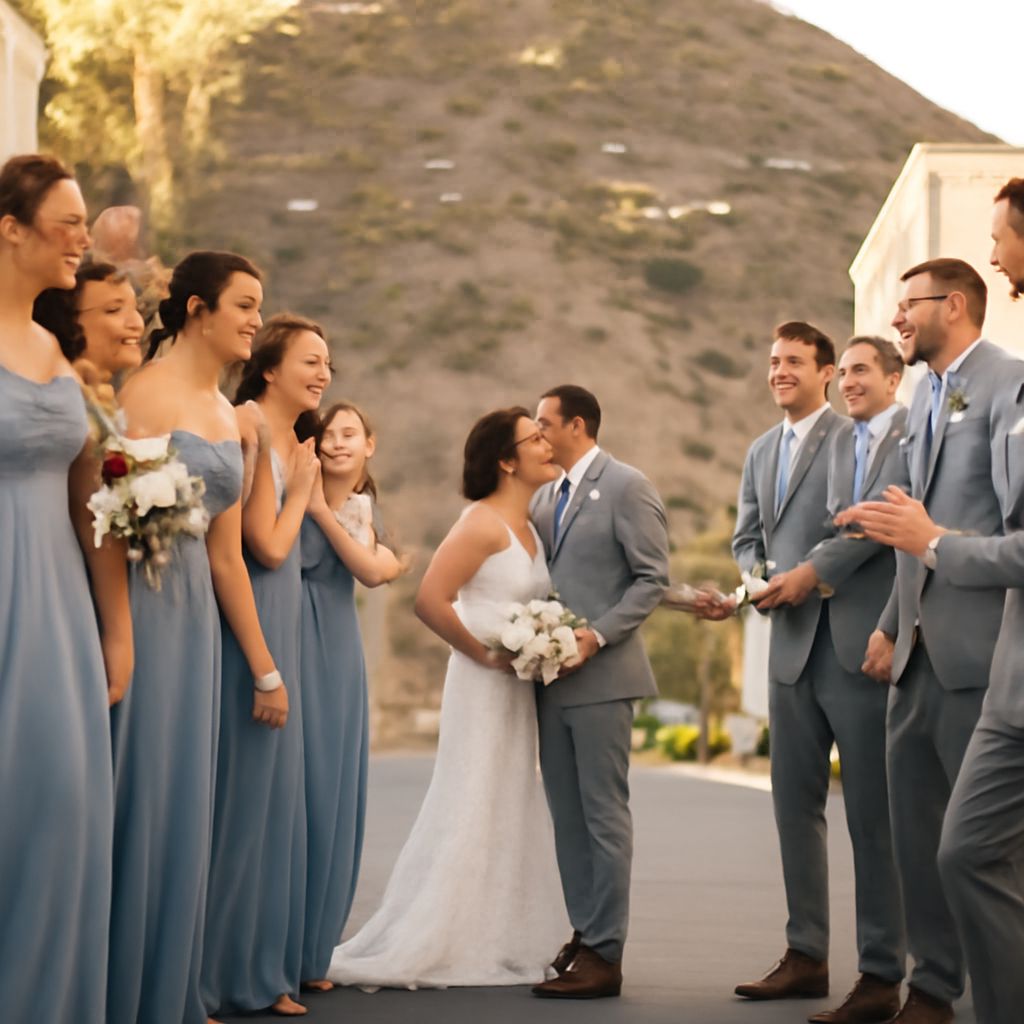
Blurry Photos at Weddings: How to Shoot Sharp Wedding and Bridal Party Images
Nothing frustrates a wedding photographer more than a card full of blurry photos from the reception or a key portrait session. Soft images lose clients, damage referrals, and — worse — cannot be fixed in post-processing. Wedding party photos are among the highest-stakes frames of the entire event: everyone is looking at camera, the couple has invested significantly, and the entire group will scrutinize the results for years. Understanding what causes softness in bridal party photos — and how to systematically eliminate those causes — makes the difference between a consistent shooter and one who gets occasional lucky sharp frames. Good wedding party poses also reduce motion blur by giving subjects a stable, natural position to hold. And thinking about how investigative photography principles — like those applied to casey anthony party photos examined in media and legal contexts — demonstrates that every photograph carries information beyond its aesthetic surface: sharpness, composition, and timing are all forensic data points that define what the image communicates.
Why Wedding Party Photos Go Blurry
Blurry photos at weddings come from three sources: camera shake (operator motion), subject motion (guests or bridal party members moving during exposure), and focus error (autofocus locking on the wrong plane). The most common cause during bridal party photos is a shutter speed that is too slow for the ambient light conditions — typically anything below 1/200s when photographing a group that includes toddlers, elderly relatives who sway, or anyone who has been celebrating for several hours.
Set your minimum shutter speed to 1/200s for group shots and 1/400s for any dancing or movement sequences. Use continuous AF (AI-Servo on Canon, AF-C on Nikon/Sony) rather than single-point AF for any session where subjects are moving toward or away from the camera. For wedding party photos in low-light receptions, this often means pushing ISO to 3200 or higher — modern full-frame sensors handle this cleanly, and grain is far more acceptable to clients than soft images.
Wedding Party Poses That Reduce Motion
Stable wedding party poses reduce the duration of the exposure window where anyone is moving. Ask groups to link arms or hold hands — physical connection stabilizes each person’s position relative to their neighbors. Count down before each frame: “Three, two, one — hold.” This gives subjects a predictable moment to be still rather than a vague instruction to stand straight. The most successful wedding party poses use physical contact between subjects as the stabilizing mechanism.
Casey Anthony Party Photos and What Photography Evidence Reveals
The study of casey anthony party photos in the context of the 2011 trial demonstrated how photographic evidence carries more information than its surface content. Sharpness, timestamp metadata, and expression detail all contributed to timeline reconstruction. The broader lesson for wedding photographers: every frame you shoot is a document. Sharp, well-exposed blurry photos-free images serve your clients and create an accurate record — a principle that applies whether you are shooting a celebration or working in forensic contexts where casey anthony party photos became evidence. Bottom line — eliminate blurry photos by raising shutter speed before raising aperture, use AI-Servo AF for dynamic group environments, and give your bridal party photos subjects specific physical poses that minimize movement during exposure.